
The Complete Comic Strip Presents...Chan - The Complete Comic Strip Presents( Blu Ray boxset) [Severin - 2023]Let us open this review with something of a history lesson for the uninitiated. The Comic Strip was a troupe of British comedians, including names like Rik Mayall (Bottom), Dawn French (The Vicar of Dibley) and Nigel Planer (The Young Ones), which formed in 1980 and had a run of successful theatre shows. In 1982 they were given the chance to move their eclectic shows to Channel 4, which at the time had a reputation for snatching up a lot of young talent and giving them a nationwide platform. The first series of five episodes aired between 1982 and 1983 with audiences initially on the fence in terms of reception, with the first episode Five Go Mad In Dorset receiving numerous complaints. However a further two series were made for Channel 4 along with a slew of specials, but the show would move from Channel 4 to BBC 2 in 1990 with a slightly altered central cast due to the Channel 4 cast taking on numerous projects due to their sudden popularity." />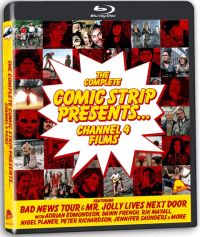 |
Let us open this review with something of a history lesson for the uninitiated. The Comic Strip was a troupe of British comedians, including names like Rik Mayall (Bottom), Dawn French (The Vicar of Dibley) and Nigel Planer (The Young Ones), which formed in 1980 and had a run of successful theatre shows. In 1982 they were given the chance to move their eclectic shows to Channel 4, which at the time had a reputation for snatching up a lot of young talent and giving them a nationwide platform. The first series of five episodes aired between 1982 and 1983 with audiences initially on the fence in terms of reception, with the first episode Five Go Mad In Dorset receiving numerous complaints. However a further two series were made for Channel 4 along with a slew of specials, but the show would move from Channel 4 to BBC 2 in 1990 with a slightly altered central cast due to the Channel 4 cast taking on numerous projects due to their sudden popularity. Here's a new three Blu Ray boxset from Severin Films compiling together all twenty four episodes plus specials shown on Channel 4, jam-packed with a whole host of special features that are worth your time. Chiefly among these bonus features is a newly produced, feature-length documentary titled The Rise of The Comic Strip and it features new interviews from much of the original cast and production team. There’s a lot of new insights available here and I think pairing this with the 2012 documentary 30 Years of Comic Strip paints the perfect picture of the show’s history, influence and the importance it had on not only creating a new comedic voice for Britain but also securing the careers of some of the UK’s best-loved comics. The Bad News duology gets its own bespoke suite of bonus material with a documentary and photo gallery on top of the parody Bohemian Rhapsody music video, which has its own documentary. To round off the set, to really sell this as the definitive archive of material for this show, is the original Julian Temple short film which kicked off the television era of The Comic Strip.
This new set also features extensive remastering work done to the episodes and specials featured, with the episodes now appearing in crisp 2K quality from 16mm prints of the episodes. The show has never looked this clear and clean with colours now popping and not a shred of graininess. The audio has also had some work done to it, and any issues with audio balancing and quality are no doubt due to the audio quality of the original print but this does sound a lot clearer than the copies you watch via All 4 in the UK.
This first series, consisting of five episodes airing between November of 1982 and January of 1983, does a great job at easing you into the style and targets of the anthology show. Opening with a parody of Enid Blyton’s Famous Five series of novels, a subject matter which could make American audiences (the primary target for this US release) feel somewhat alienated, that really breaks down the prejudice that was emblematic of that era of middle-class Englishness. There’s a great series of jokes about the Five getting people arrested due to simply being foreign or poor, as well as the reveal of a gay villain, which do hit to the core of the unfortunate darker side of Blyton’s stories. In fact this and Bad News Tour are the clear highlights of the series as they hit closest to the bone of their points of cultural satire. Bad News Tour, the show’s most iconic story, is a great Spinal Tap style mockumentary following a terrible metal group where the leader insists they are more sophisticated much to the annoyance of the rest of the group who seem quite passionate about the genre. There’s band arguments, shoddy retakes and Nigel Planer stealing the show as a sort of proto-Neil from The Young Ones. The other three episodes feel like the show trying to find its feet, especially the episode The Beat Generation which tries to make fun of the faux intellectualism of the wannabe Bob Dylans and Warhols that sprung up in the mid to late sixties. The problem is it ends up being just as boring as the people it is satirising, there doesn’t feel like there is such a strong point of satire which you could so easily find in the lazy mimicking of genuine artistic and intellectual minds that occurred so often during the actual Beat Generation. Perhaps the weakest of the series is the final episode; Summer School. This seems mostly like an excuse to make jokes about randy cave people and the idea of upper-class ‘slumming it’ holidays, but it never feels like it actually hits home and only skirts around those ideas. Like the first series of most tv shows, it’s a bit rocky and uneven but you can clearly see the points where the writers find their feet and create some really great comedy and the DNA that will bleed into the next two series and the specials.
Series 2 shows a distinct improvement on the actual filmmaking from the recurring directors Peter Richardson and Pete Richens, who directed the majority of series 1’s episodes. This I think is most evident in A Fistful of Traveller’s Cheques, which also features Rik Mayal as a third director, as the visual pastiches on the spaghetti western genre and stylings are spot on and help sell the mundanity at the core of the narrative as something absurd. This cowboy story which mocks the idea of British holiday makers and British tourist attitudes ends up being a highlight of the series simply due to the strength of its visual stylings. In fact the highs of this series are worth buying this set for alone; the episodes Dirty Movie and Eddie Monsoon – A Life? are great examples of how good the central comedic cast at the core of this show are as well as being conceptually interesting and paced perfectly. Dirty Movie is a perfect absurdist comedy, with the opening six minutes of the episode being one of my favourite moments of the whole series as a postman helps hammer a letterbox into a door while a pair of police snipers argue over a rifle and fall off a roof in the background. The whole plot concerns the police attempting to stop a 9AM showing of a porn film, which isn’t open to the public but happening simply because the theatre owner wants to watch a porno on the big screen. There’s lobster called breakfast and the direction and script from Ade Edmondson and Rik Mayall demonstrates the DNA of what would become Bottom perfectly as their ability to write deplorable characters doing uncomfortable things always gets a laugh out of me. Eddie Monsson, directed and staring Ade Edmondson as the titular disgraced television star, is a brilliant mockumentary about the most pathetic man on British television. A man so pathetic that no one knows who he is, as demonstrated by a hilarious improvised interview sequence near the climax. This one is the series’ most distinctively directed episode due to the mocking of the format, and it really works in creating the profile of this washed-up nobody. The lows of series 2 are a lot more noticeable than the lows of the previous series. The opener is another Famous Five parody that recycles a lot of the same jokes, Slags is an unfunny West Side Story parody where the main joke is the name of central gang, Susie has a lot of tiresome jokes about affairs and Gino: Full Story and Pics has a great central concept but is often let down by the ongoing pacing problems the show has in general.
Series 3 sees the episodes now stretched out to an hour-long format, and this works for exactly half the series. The first episode, Strike, is less of a comedy and almost an attempt from Richardson and Richens to tell something closer to a traditional dramatic narrative. Following the slow breakdown of a humble Welsh writer trying to tell an authentic about the miner’s strike but sees it wrestled away from him so it can star Al Pacino and feature numerous motorcycle chases and impassioned speeches to the Prime Minister. There’s a think layer of tragedy and thematic depth about the destruction of artistic vision, much to the point that there doesn’t feel like there is much comedy but a lot of really solid industry satire. More Bad News does what the opener of series 2 failed to do and delivers a sequel story that really works and ends up being way funnier as we follow the band, who have somehow become even more washed up, as they go to play a live gig at the 1988 Monsters of Rock Festival which ultimately kills one member and wounds the rest severely. But the real crown of this series is Mr Jolly Lives Next Door, an early entry into Stephen Frears (High Fidelity, The Queen) directing career. A sordid story of the owners of an escort agency, who hoodwink tourists into paying for their binge drinking, as they get embroiled in an ever more absurd series of crimes that somehow involves radio presenter Nicholas Parsons. From the opening scene of Mayall and Edmondson fighting each other with severed arms and demanding a morgue open a bar I knew I was going to love this one, and I did. It shows the best parts of Mayall and Edmondson’s talent as a double act who can specialise in these vile characters. To say any more would genuinely ruin the strength of this one. The other three episodes, The Yob, Didn’t You Kill My Brother? and Funseekers, all suffer from the central joke not being good enough to last an hour. This is especially a problem for The Yob which doesn’t ever evolve past ‘aren’t posh and poor people freaks and weird?’
Finally, we come to the specials, which are a scatter-shot collection of specials spanning from 1984 – 2000. Now most of these I didn’t enjoy, with Consuela just relying on Jennifer Saunders doing a Spanish accent and the Four Men episodes feeling they retread too much of the same ground as each other. However the highlight here is easily The Bullshitters: Roll Out the Gunbarrel; a parody of police dramas such as The Sweeney or The Professionals. If you aren’t too familiar with the police procedural format then I think the jokes about the hyper-macho world of police dramas will still hit as Keith Allen and Peter Richardson spend significant parts of the run time shirtless and the whole plot is about solving a hyper camp kidnapping of a terrible young actor. While The Bullshitters isn’t officially an episode of The Comic Strip, its inclusion here really helps the set feel truly definitive.
I think that’s the best way to describe this box set: definitive. Regardless of the varying quality of the actual episodes included, the sheer depth and breadth of the special features that chronicle the rich history of the show’s conception make this a must-have for all fans of cult British comedy. The new 2K restoration makes these episodes look as good as they ever will, which helps you appreciate the strong directorial voices that come through in many of the entries. It also helps that a lot of the episodes are actually funny, well-crafted and produced comedy stories which gave us a slew of Britain’s finest comedic minds.    Cavan Gilbey Cavan Gilbey
|







 (c) Musique Machine 2001 -2025. Twenty four years of true independence!! Mail Us at questions=at=musiquemachine=dot=com



