
Aesthetics of a Bullet — Aesthetics of a Bullet ( Blu Ray)
Aesthetics of a Bullet (Teppôdama no bigaku), released in 1973, sets out its brilliant and satirical Yakuza fable in its opening shots of mouths, human and animal, stuffed with food, intercut with snapshots of contemporary Japan, all to a pulsating rock track. But director Sadao Nakajima and writer Tatsuo Nogami are intent on crafting so much more than an action thriller.
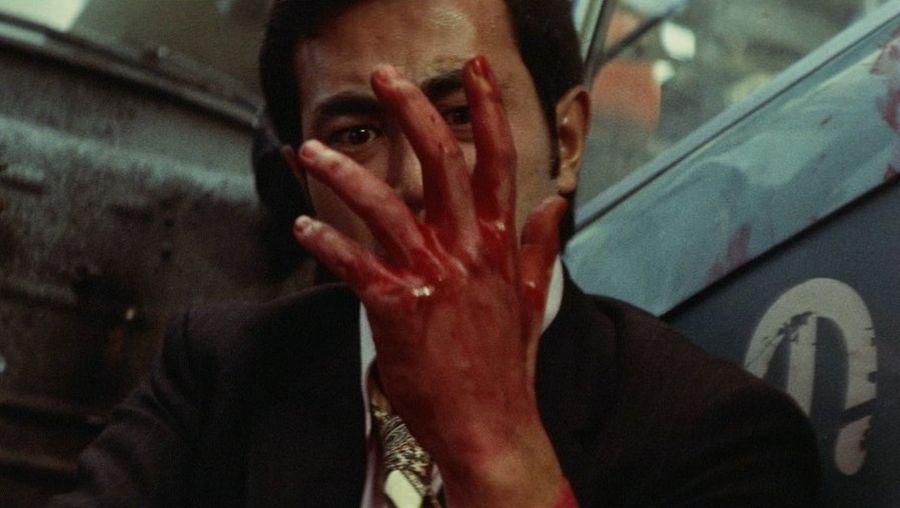
Buckle up, because what better way to study the crush of commercialisation and capitalisation in the post-war boom than through Tsunehiko Wasabe’s Kiyoshi Koike? He’s the bullet of the title: a disposable projectile, used and abused by the Yakuza we only hear and never see, to gain advantage in their ongoing turf wars. But Koike’s constant struggle of falling upward leaves him as one of the great, not antiheroes, but flawed villains of Japanese cinema.
We meet him selling white Turkish rabbits, losing bets at night before crawling back to his prostitute girlfriend, then savagely attacking her when she's fed the bunnies too much and likely to grow too large to sell. Koike's not a sympathetic character: he's misogynistic, mean, selfish and as prone to lashing out as exploiting situations with spoonfuls of goofy, sleazy charm. All too aware of his failings and unable to escape them, things are only magnified when he's handed a suit, gun and a million yen. It’s an opportunity he can’t miss, but also one he can’t win.
Nakajima doesn't skimp on the brutal, graphic world built around this hapless protagonist. Odd little details help sharpen the satire. Koike, having assumed a Yakuza identity with the look and wallet to back it, propping up tables in clubs, constantly complaining about the music being too loud; his group-cooking just before the inevitable denouement. Overall, from the engrossing, with an emphasis on gross, opening montage to these tiny details, confidence oozes from the picture.
There are lovely (read: gritty) lines of comparison with contemporary American cinema—Martin Scorsese's Mean Streets was released the same year. But much of Aesthetics of a Bullet feels ahead of its time, thanks to its sharp post-modern edge that marks it out from other Yakuza movies of the time.
Koike's journey only has one ending. Aesthetics of a Bullet is a study of a man who knows it and leans desperately into excess as his clock counts down. In that central role, Wasabe is phenomenal. He really gets his teeth into this character's huge but brief journey. Even after returning to, lucky for him, finding a drink waiting for him, Koike’s mood can turn on a dime. This impetuous, rock-bottom character is challenging enough, but Wasabe demonstrates his immense range by pushing Koike through the grinder of mental states. From the deception of his overnight success to the growing realisation that this is a one-way ticket, it's an immense performance that holds the screen. Of course, we can never really empathise with the character, but by the end, we might just understand the desperate fight for survival as the net finally closes in.
This Radiance release doesn't skimp on features to help viewers pull out the most from this seminal film. Particular highlights include a newly filmed appreciation by filmmaker Robert Schwentke and an interview with filmmaker Kazuyoshi Kumakiri. Schwentke dives into the details of the film, including its immense achievement from only a 10 million yen budget and an incredibly compact 20-day shoot. Particularly intriguing is the exploration of Greek tragedy's influence on Koike's travails.
Kumakiri provides invaluable insight as a former student of and later assistant director to Nakajima. It's a superb glimpse into the director’s working process, and thanks to an archive interview recorded shortly before his death in 2023, we hear from the director himself, regaling the camera with stories about his films, and especially about the late Wasabe.
Pointed and sharp, brutal but beautifully captured, Aesthetics of a Bullet is an unmissable slice of Yakuza cinema. It may feel inherently 1970s, but it’s also a timeless tale of a fallen man.